

The journey to better health often feels like a tightrope walk. On one side, we are told to restrict calories, cut out carbs, and push through hunger pangs to lose weight. On the other, we are constantly bombarded with sugary foods designed to spike our blood glucose and crash our energy. For the millions of people navigating the interconnected world of weight management and metabolic health, it can feel like an endless battle against your own biology.
But what if you could work with your body, not against it? What if there was a brand-new way to support healthy weight loss and blood sugar levels that doesn’t rely solely on deprivation or extreme measures?
Thanks to recent advances in nutritional science, that “what if” is quickly becoming a reality. We are moving beyond simple calorie counting into the era of “smart supplementation”—using clinically studied compounds to gently nudge our metabolism in the right direction. This post explores the cutting-edge science behind this shift, highlighting how specific ingredients and lifestyle tweaks can help you manage your health in a completely brand-new way.
The Old Way vs. The New Science
Traditionally, managing weight and blood sugar was a straightforward equation: eat less, move more. While those principles hold true, they ignore the complex hormonal and metabolic processes that make weight loss so difficult for many, particularly those with insulin resistance .
Insulin resistance, a condition where your cells don’t respond well to the hormone insulin, leads to higher blood sugar levels and forces the pancreas to produce even more insulin. This excess insulin encourages fat storage, especially around the abdomen, creating a vicious cycle .
The brand-new approach focuses on “dual-action” support. Instead of just restricting input, we can now target the mechanisms of carbohydrate and fat metabolism directly. This means we can help the body process the foods we eat more efficiently, support the body’s natural appetite signals, and create an environment where weight loss is a natural byproduct of a well-tuned system .
The Superstars of Metabolic Support
Several groundbreaking ingredients are leading this revolution. These aren’t mysterious chemicals; they are often concentrated phytonutrients found in plants, harnessed to deliver specific, measurable benefits.
1. Carbohydrate Managers
One of the most exciting areas of innovation is in how we handle carbs. For years, carbs were the enemy. Now, science is finding ways to make carbs less… carby.
Ingredients like Reducose®, a extract from the white mulberry leaf, are game-changers. Often found in products like Calibrate Reds™ Max, this ingredient works by binding to enzymes in your digestive tract that break down carbohydrates into sugar. By inhibiting this process, it reduces the absorption of sugars, effectively lowering the glycemic impact of the meal you eat with it. This helps manage blood sugar spikes after eating and encourages the body to use carbs for energy rather than storing them as fat .
2. The “Nature’s Ozempic” Effect
You’ve likely heard of medications like Ozempic that work by mimicking the GLP-1 hormone to regulate appetite and blood sugar. Interestingly, certain natural compounds can support your body’s own production of these hormones.
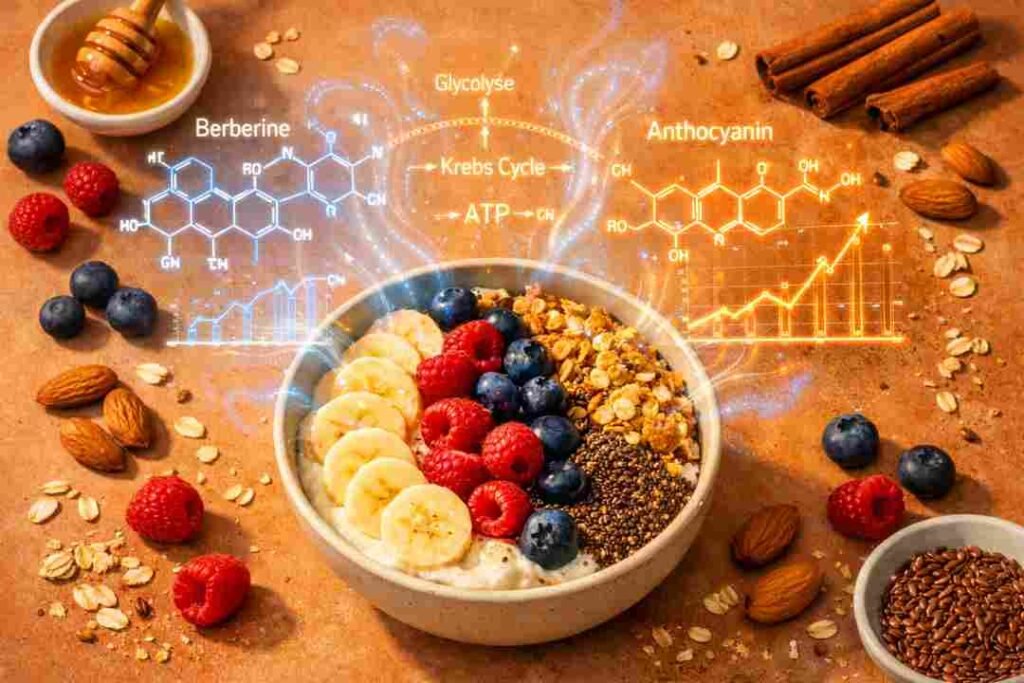
Berberine, often called “nature’s Ozempic,” is a plant compound that has been shown to help regulate blood sugar and cholesterol levels, which can promote weight loss . Similarly, a lemon bioflavonoid complex called Eriomin has been shown in clinical trials to significantly increase GLP-1 levels naturally, reducing fasting blood glucose and even reversing pre-diabetes in some participants without lifestyle changes . Imagine supporting your body’s innate ability to regulate appetite simply by providing it with the right plant-based tools.
3. Metabolism-Boosting Berries
Your grocery list might already hold the key to better metabolic health. A randomized controlled trial found that drinking elderberry juice for just one week led to a 24% reduction in blood glucose spikes after a high-carb meal and increased fat burning by 27%. The anthocyanins (the compounds that give berries their deep color) are believed to interact with the gut microbiome to produce these profound effects .
Holistic Health: The Liver and Gut Connection
A truly “brand-new way” of looking at health acknowledges that no system works in isolation. You cannot fix blood sugar without looking at the liver, and you cannot manage weight without considering the gut.
Supporting the Liver
The liver is the command center for metabolism. It handles fat processing, glycogen storage, and toxin filtration. Non-alcoholic fatty liver disease (NAFLD) is a growing, silent epidemic that is strongly linked to insulin resistance and obesity. Supporting liver health is now a critical component of metabolic support. Ingredients like Siliphos (a highly absorbable form of milk thistle) help protect the liver, enhance antioxidant protection, and optimize fat metabolism, which indirectly supports healthy glucose homeostasis .
The Gut Health Factor
We also know that gut health plays a massive role in weight management. A healthy gut microbiome, rich in beneficial bacteria like Bifidobacterium, helps extract nutrients efficiently and produces short-chain fatty acids that regulate metabolism. High-fiber foods and polyphenol-rich fruits (like the elderberry mentioned above) act as prebiotics, feeding these good bacteria and creating a positive feedback loop for better health .
Fuel Your Fire: How to Support Healthy Bodily Functions and Maintain Energy Levels Naturally
Practical Steps to Implement This New Approach
So, how do you translate this science into your daily life? It’s about combining smart nutritional choices with targeted support.
1. Rethink Your Plate (The Indian Thali Approach)
You don’t need to eat alien foods to get results. Use the traditional Indian thali as your guide :
- Fill half your plate with vegetables (sabzis) and salad.
- Fill one quarter with whole grains like brown rice, millets (ragi, bajra), or multigrain roti.
- Fill one quarter with high-quality protein like dal, paneer, tofu, or chicken.
- Add a bowl of curd for gut health and probiotics.
2. Strategic Supplementation
Consider adding a science-backed supplement to your routine. Look for products that contain the ingredients discussed, such as Reducose®, Morosil®, or Eriomin. The goal is to find a “dual-action” formula that supports both carbohydrate and fat metabolism. For example, taking a supplement like Calibrate Reds™ Max before your largest meal can help manage the glycemic load of that meal while also supporting appetite control via prolonged GLP-1 activity
3. Move Intentionally
Exercise is non-negotiable, but it doesn’t have to be punishing. Aim for 30 minutes of brisk walking daily. Add in yoga (like Surya Namaskar) to improve metabolism and reduce stress, and incorporate light strength training twice a week to build muscle, which naturally uses blood sugar for fuel .
4. Manage Stress and Sleep
High cortisol levels (the stress hormone) can lead to weight gain and disrupt blood sugar. Prioritizing 7-9 hours of quality sleep and incorporating stress-reduction techniques like deep breathing or mindfulness can directly impact your physical health by regulating the hormones that influence appetite .
The Future of Weight Management
The narrative is shifting from punishment to nourishment. We are entering an era where we can support healthy weight loss and blood sugar levels in a brand-new way—by understanding and enhancing our body’s natural processes.
Whether it’s through the targeted power of phytonutrients like those in new supplement launches, the humble fiber in your methi water, or the surprising metabolic punch of a handful of berries, the tools for a healthier life are more accessible than ever .
This isn’t about a quick fix. It’s about a smarter approach. By combining the wisdom of whole-food, balanced diets with the precision of modern nutritional science, we can finally tip the scales in our favor, naturally and sustainably.
Disclaimer: This article is for informational purposes only and does not constitute medical advice. Always consult with a qualified healthcare professional before starting any new supplement regimen or making significant changes to your diet, especially if you have a pre-existing health condition or are taking medication.
