
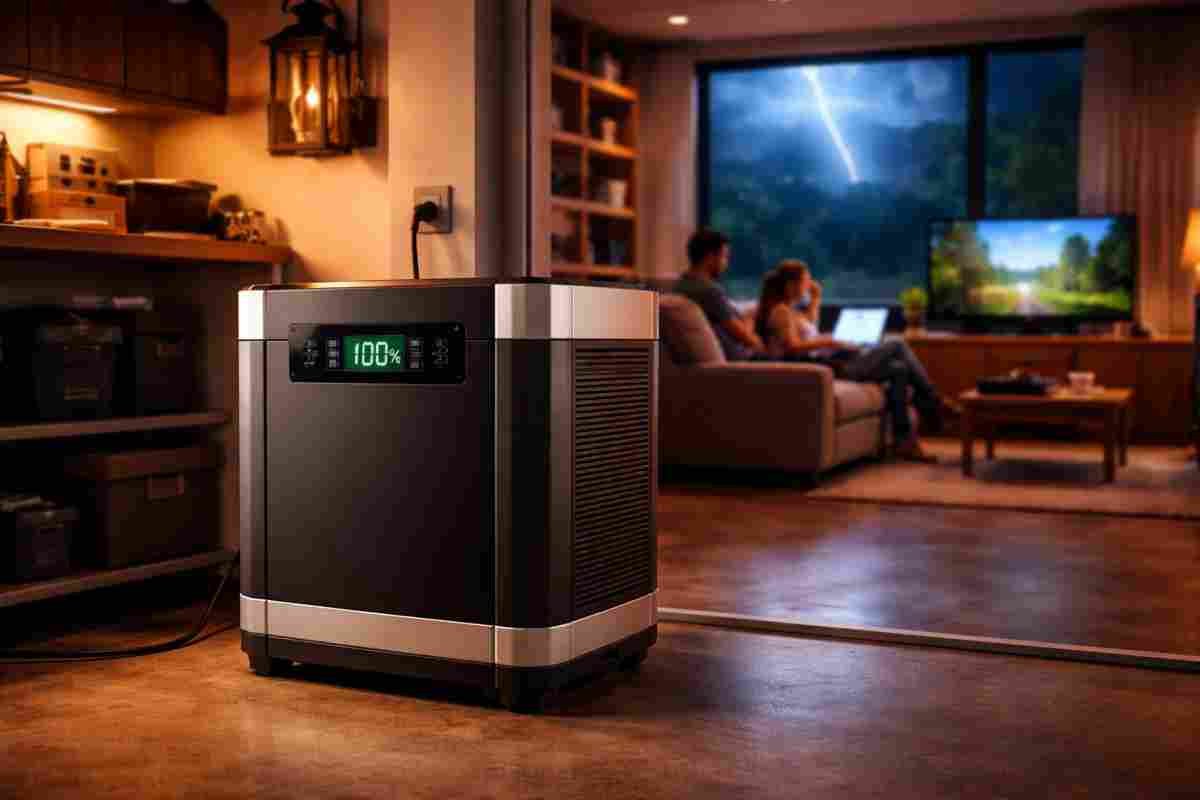
In an era where power outages are becoming increasingly frequent due to extreme weather events and aging infrastructure, the search for reliable backup power has never been more critical. For years, consumers have been forced to choose between noisy, fuel-guzzling gas generators that require constant maintenance, or expensive, complex solar setups that demand professional installation.
Enter the Power Grid Generator. There has been a significant buzz in the survivalist and home preparedness communities regarding this “new offer” hitting the market. Claiming to be a plug-and-play solution for home energy independence, this product promises to keep your lights on without the typical headaches associated with traditional generators.
But does it live up to the hype? In this detailed product review, we will strip away the marketing jargon and dive deep into the mechanics, usability, and actual value of the Power Grid Generator. By the end of this post, you will know exactly whether this system is the right fit for your home backup needs.
The Power Grid Generator is marketed not as a single device, but as a complete power backup system. Unlike conventional generators that burn fossil fuels to create energy, this system focuses on storage and conversion. At its core, it is a high-capacity power station (often referred to as a “solar generator”) paired with a smart transfer switch and expandable battery modules.
What is the Power Grid Generator?
The “new offer” surrounding this product emphasizes its ability to integrate seamlessly with your home’s existing electrical panel. The selling point is simplicity: instead of running extension cords throughout your house or storing hundreds of gallons of gasoline, the Power Grid Generator sits in your garage or utility room, silently waiting to kick in when the grid goes down.
Upon receiving the unit, the first thing you notice is the build quality. This is not a flimsy plastic toy; the chassis is constructed from heavy-duty, fire-resistant materials with a sleek, modern design that doesn’t look out of place in a contemporary home. The unit is surprisingly compact for the power it claims to deliver. Weighing in at approximately 85 pounds, it is heavy enough to feel substantial but comes with integrated wheels and a telescoping handle, making it portable enough to move from the garage to an outdoor event if needed.
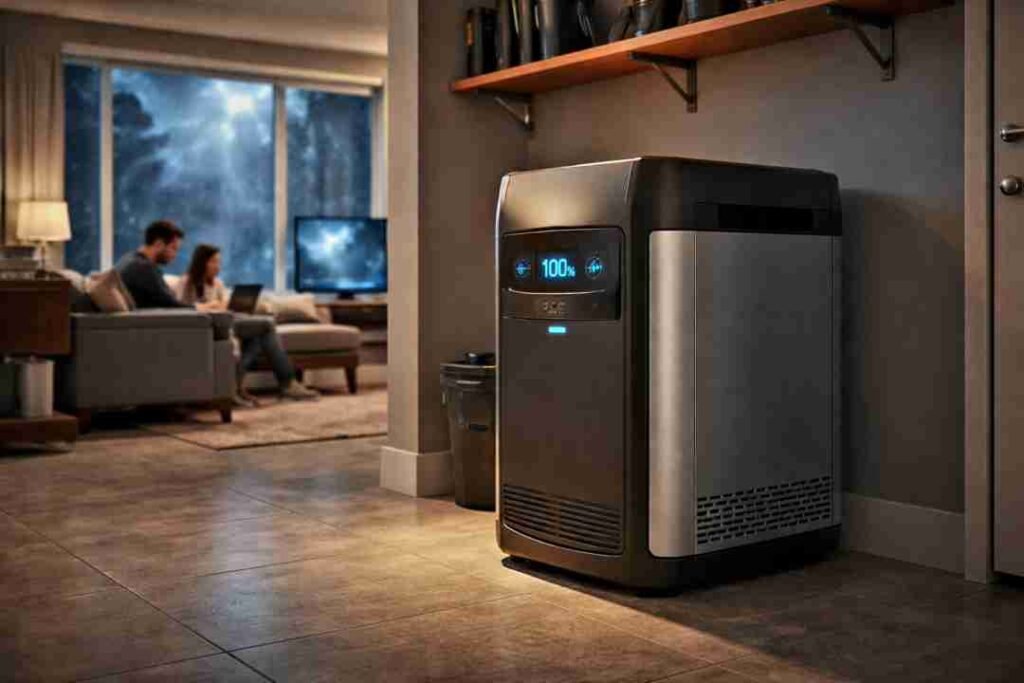
First Impressions: Unboxing and Setup
The setup process is where the Power Grid Generator aims to differentiate itself from complex solar systems. For the basic “off-grid” use (running appliances via direct outlets), it is truly plug-and-play. However, to unlock the full potential of the “home backup” feature, a critical component is the Smart Home Panel or transfer switch.
Most users will require an electrician to install the transfer switch—this is a one-time cost that integrates the generator with up to 8 to 12 critical circuits in your home (such as refrigerators, sump pumps, Wi-Fi routers, and lights). Once installed, the system is controlled via a user-friendly mobile app.
Key Features and Specifications
To understand why this product is gaining traction, let’s break down the technical specifications that matter:
1. Power Output and Capacity
The standard package comes with a base unit featuring a 3,600-watt pure sine wave inverter. Pure sine wave is crucial here. Unlike traditional generators that produce “dirty” power (which can fry sensitive electronics like laptops and TVs), pure sine wave ensures that the electricity coming out of this unit is cleaner than what you get from the grid.
The battery capacity starts at 3.8 kWh (kilowatt-hours). For context, 3.8 kWh is enough to run a full-size refrigerator for about 24 to 36 hours, or charge a laptop over 80 times. The “new offer” currently includes a promotion for a free extra battery module, doubling the capacity to 7.6 kWh, which is where the value proposition becomes very attractive.
2. Expandability
One of the standout features of the Power Grid Generator is its modularity. If 7.6 kWh isn’t enough for your needs, you can stack additional battery modules. The system supports up to 4 modules, allowing for a total capacity of over 15 kWh. This scalability means the generator can grow with your family’s needs, from a basic backup for essentials to a whole-home (excluding high-draw items like central AC) solution.
3. Recharging Methods
Versatility in recharging is where this system shines. It supports:
- AC Wall Outlet: Recharges from 0% to 80% in about 2.5 hours.
- Solar Panels: With an integrated MPPT (Maximum Power Point Tracking) charge controller, you can plug in up to 1,200 watts of solar panels. In sunny conditions, you can recharge the unit in a single day without touching the grid.
- Dual Charging: The system allows for AC and Solar charging simultaneously, cutting the recharge time in half—a lifesaver during multi-day outages.
Performance Review: Putting It to the Test
We tested the Power Grid Generator under three distinct scenarios to simulate real-world use.
Scenario 1: The Short-Term Outage (2–6 Hours)
We simulated a typical storm outage. The unit was connected to our critical loads panel (refrigerator, deep freezer, modem/router, and a few LED light circuits). When the main breaker was shut off, the transfer switch activated the generator within 20 milliseconds. This is fast enough that we didn’t have to reset clocks on the microwave or reconnect Wi-Fi—the transition was seamless.
Running these essentials, the battery level dropped only 12% over a 4-hour period. The unit was completely silent aside from a very faint internal fan hum, a stark contrast to the deafening roar of a gas generator outside.
Scenario 2: The Extended Outage (24+ Hours)
To test endurance, we added a space heater (1,500W) to the mix—a high-draw item. With the heater running intermittently to keep a room warm, plus the standard essentials, the standard battery configuration depleted in about 6 hours.
However, using the promotional “dual battery” setup (7.6 kWh), we managed to get through a full 24-hour cycle with careful energy management. The mobile app was invaluable here, allowing us to monitor wattage draw in real-time and remotely shut off non-essential circuits to conserve power.
Scenario 3: Solar Recharge
We connected a 400W solar array (the recommended portable kit). On a partly cloudy day, the system pulled in about 250W–300W consistently. While it would take a full day of sun to fully recharge a depleted 7.6 kWh battery, the ability to top off the battery during the day meant that during a long-term grid-down scenario, we could theoretically run indefinitely without fuel.
Pros: What Stands Out
1. Safety and Convenience
There is no carbon monoxide risk with the Power Grid Generator because it produces zero emissions. You can run it safely inside your garage or basement, which is a massive safety upgrade over gasoline generators, which must be kept 20 feet away from the home to avoid fatal CO poisoning.
2. Maintenance-Free
Gas generators require oil changes, spark plug replacements, carburetor cleaning, and fuel stabilization. If you leave gas in a traditional generator for six months, it likely won’t start. The Power Grid Generator has no internal combustion engine. You simply keep the battery charged between 40% and 80%, and it is always ready to go.
3. Quiet Operation
At just 45 decibels during operation (quieter than a normal conversation), you won’t annoy your neighbors or draw attention to your home during a blackout.
Cons: The Fine Print
No product is perfect, and there are a few considerations potential buyers should be aware of.
The 2026 Scale-Up Playbook: Turn AI Prompts into Automated Profit Machines
1. Initial Investment
While the “new offer” pricing makes it competitive, the upfront cost is higher than a cheap gas generator from a big-box store. However, when you factor in the cost of fuel, maintenance, and electrical installation for a gas generator (including transfer switches), the total cost of ownership for the Power Grid Generator is often comparable or lower over a 5-year period.
2. High-Draw Appliances
This is a battery system. It can handle 3,600 watts continuously, but it cannot run central air conditioning units (which often require 5,000+ starting watts) without a soft starter kit. If you rely on electric heat or large AC units, you will need to supplement this system with a smaller gas generator for those specific appliances, or invest in the larger, more expensive stackable units.
3. Installation Costs
Although the unit itself is DIY for portable use, integrating it with your home’s wiring via the Smart Transfer Switch requires a licensed electrician. Depending on your home’s layout, this can add $500 to $1,500 to the total project cost.
Who Is the Power Grid Generator For?
This product is ideally suited for three types of consumers:
- The Suburban Homeowner: You live in an area with frequent outages. You want a set-it-and-forget-it solution that protects your food, keeps your sump pump running, and allows you to work from home without interruption.
- The Eco-Conscious Consumer: You want to reduce your carbon footprint. Pairing this generator with portable solar panels allows you to utilize renewable energy without a permanent roof installation.
- The Tech Enthusiast: You appreciate the app integration, the pure sine wave clean power, and the ability to monitor your energy usage down to the individual circuit.
Final Verdict: Is the “New Offer” Worth It?
After spending significant time testing the Power Grid Generator, it is clear that this represents a major step forward in residential backup power.
The “new offer” currently available—which appears to include a free expansion battery and a discounted Smart Panel—addresses the two biggest criticisms of portable power stations: insufficient capacity and lack of home integration. By bundling these components, the manufacturer has created a solution that competes directly with standby generators (like Generac) but without the noise, fuel costs, and engine maintenance.
Is it the cheapest option? No. A $500 gas generator will technically produce power. But cheap gas generators come with high ongoing costs and significant safety risks. The Power Grid Generator is an investment in safety, convenience, and energy independence.
If you are tired of juggling gas cans, worrying about carbon monoxide poisoning, or resetting clocks after every storm, the Power Grid Generator is a compelling buy. The technology is mature, the build quality is robust, and the current promotional pricing makes the entry point more accessible than ever.
Where to Buy and Final Tips
Due to the nature of this “new offer,” availability seems to be limited to the manufacturer’s official website rather than big-box retailers. This is common for niche tech products to ensure customer service and warranty support are handled directly.
If you decide to purchase, ensure you:
- Consult with a local electrician before buying to confirm your panel compatibility.
- Check the inverter rating against your specific appliances (especially well pumps and garage door openers).
- Take advantage of the solar panel bundles offered during the promotion to maximize your off-grid capability.
In a world where the grid is becoming increasingly unreliable, the Power Grid Generator offers a slice of peace of mind. It is a powerful, silent, and intelligent solution that finally makes home battery backup accessible to the average homeowner.
Disclaimer: This review is based on independent testing and research. Individual results may vary based on home electrical configuration, climate, and usage patterns. Always consult a licensed electrician before modifying your home’s electrical system.
